Manual Lymphatic Drainage (MLD) is a specialised, gentle and rhythmic skin technique. For diagnosed lymphoedema, the NHS describes it as one part of 'decongestive lymphatic therapy, alongside compression, skin care and exercise.' It is not a cure or a stand-alone answer for every swelling, and the likely benefit should be considered individually.
An osteopath, with proper training, understands the structure and function of the lymphatic system – as well as the distribution of the nerves, blood vessels, muscles, bones, and organs of the human body.
Nearly 130 years ago, the founder of Osteopathy A.T. Still wrote on the importance of the Lymphatic system – what he called ‘nature’s fountain of life-saving water’ – it not only carries the fluids needed to sustain us, it also allows the excretory channels to receive and pass out all that is of no further use to the body (Philosophy of Osteopathy, 1899).
In other words, when it’s working properly, the lymphatic system functions like our body’s natural cleaning system. Filtering out what’s used up and not serving us. And keeping in circulation the building blocks of all the things our body needs to function healthily.
Osteopathic treatment directly addresses one of the primary contributory factors in poor lymphatic health – namely ‘myofascial compression’ (or tension in the muscles and surrounding tissues).
It is a principle in osteopathy that the body has a natural tendency towards self-healing. If there is tension in an area of the body, this can lead to tissue congestion and alteration in the free-flow of the things the body needs to function optimally.
Dr Bruno Chikly M.D. – the head of the Lymph Drainage Therapy (LDT) curriculum and member of the International Society of Lymphology (ISL), is also a Doctor of Osteopathy and writes ‘Osteopathy was probably one of the first manual therapies of the scientific era to develop specific techniques that address the lymphatic system.’
It is important to understanding that in the treatment of “classical” lymphedema (or peripheral lymphedema) – whilst improvements can be often achieved without surgical intervention, conditions that are chronic require lifestyle adaptations to improve treatment outcomes.
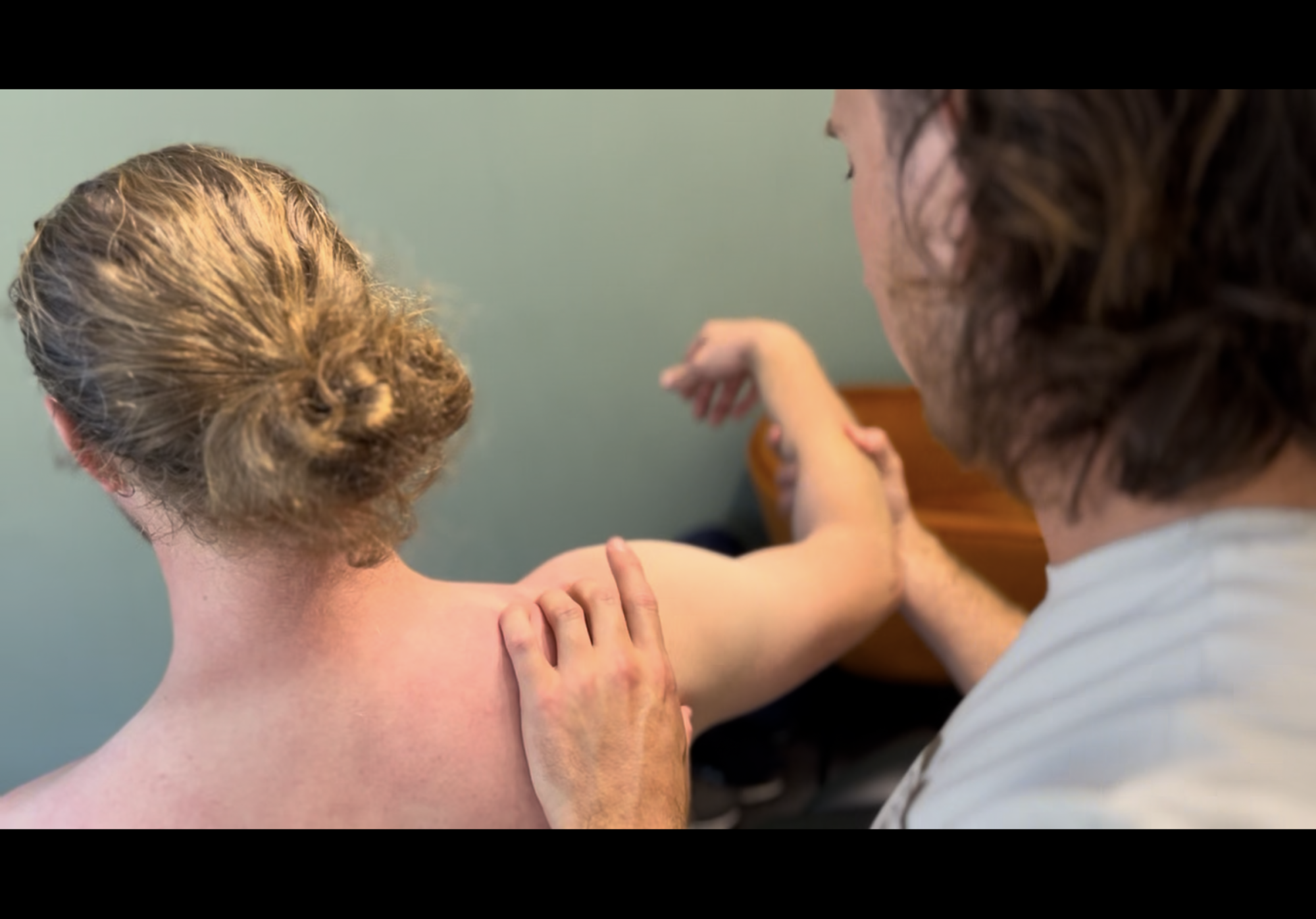
An osteopathic consultation should begin with a medical history and appropriate screening, because swelling can have many causes. We can assess related pain, stiffness and movement, then discuss whether musculoskeletal care or referral to a GP or lymphoedema specialist is appropriate.
MLD is inappropriate when there is an active infection, a blood clot or certain heart problems, and neither MLD nor osteopathy should delay assessment of unexplained swelling.
When to seek help
See a GP for persistent or unexplained swelling. Contact NHS 111 if swelling is sudden, severe, painful, red or hot; call 999 if it occurs with breathlessness or chest pain.